


- About us
-
Services
- Back
- Development Services
-

-
-
-
- Designing Services
-
-
-
-
- Marketing Services
-
-
-
-
- Cloud Engineering Services
-
-
-
- ERP
-
-
-
- CRM
-
-
-
- Artificial Intelligence
-

-
-
-
- MVP
-
- Open Source Business
-
- Industry
- Portfolio
- Career
- Contact us
-
 info[at]startdesigns.com















Introduction
The real estate market is evolving faster than ever, and your website needs to keep up. A modern real estate website is no longer just a listing platform—it’s a lead-generating, brand-building, and conversion-optimizing tool. In 2026, successful websites will leverage AI-driven personalization, 3D virtual tours, compelling visuals, strong CTAs, and hyper-local content to attract buyers and sellers globally.
This blog explores the top 10 real estate website design trends for 2026, explaining why they work and how you can implement them to stand out from the competition.
1. AI-Powered Personalization
Personalization is the key to improving engagement and lead conversion. AI can analyze user behavior, property preferences, and search patterns to recommend listings automatically.
Why it works:
- Users see listings they actually want → higher engagement
- Reduces bounce rates and improves dwell time
- Collects valuable data for future lead nurturing
Actionable tip: Integrate AI-powered recommendation engines and predictive search features on your property listings page.
2. 3D Tours & Virtual Reality Experiences
Buyers now expect immersive property experiences online. 3D tours and VR walkthroughs allow clients to explore homes from anywhere in the world.
Why it works:
- Increases time spent on the site
- Attracts international buyers
- Helps showcase premium properties
Actionable tip: Embed interactive 3D tours on your listing pages and highlight virtual walkthroughs on your homepage.
Website Design Services!
3. Minimalist Design With High-Converting CTAs
Clean, uncluttered layouts with strategically placed calls-to-action guide users toward taking action without distractions.
Why it works:
- Improves readability and accessibility
- Directs users to conversion points like “Schedule a Visit” or “Request a Quote”
- Enhances mobile usability
Actionable tip: Use whitespace effectively, bold headings, and clear CTA buttons.

4. Hyper-Local Content & Community Pages
Buyers want to know the lifestyle, schools, and amenities in a neighborhood before purchasing. Dedicated community pages boost trust and local SEO.
Why it works:
- Positions you as a local expert
- Drives organic traffic through neighborhood keywords
- Improves Google ranking for location-specific searches
Actionable tip: Create pages for each neighborhood you serve, include photos, attractions, and local stats.
5. IDX & MLS Integration
IDX (Internet Data Exchange) integration allows real-time property listings from MLS databases to appear on your site.
Why it works:
- Keeps your listings fresh and accurate
- Improves SEO with regularly updated content
- Boosts credibility with buyers
Actionable tip: Ensure seamless IDX integration and easy property search functionality.
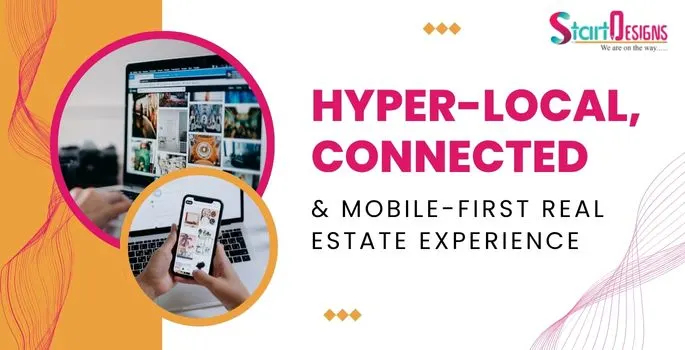
6. Mobile-First & Responsive Design
With over 60% of property searches done on mobile, your website must perform flawlessly on smartphones and tablets.
Why it works:
- Google prioritizes mobile-friendly sites in search rankings
- Improves user experience and lead conversion
- Reduces bounce rates
Actionable tip: Optimize page load speed, touch-friendly buttons, and a responsive layout.
7. Video Marketing & Explainer Clips
Video is now a must-have for property websites. Use short explainer videos, agent introductions, and property walkthroughs.
Why it works:
- Engages users faster than text
- Improves SEO through video snippets
- Builds trust with potential buyers
Actionable tip: Embed videos on homepage and listing pages; keep them under 2 minutes for best engagement.
8. Lead Capture Forms & Chatbots
High-converting websites actively capture visitor information through forms, pop-ups, and AI chatbots.
Why it works:
- Converts visitors into leads automatically
- Provides instant assistance to potential buyers
- Enables follow-ups and lead nurturing
Actionable tip: Place lead forms strategically and integrate AI chatbots for 24/7 engagement.
9. Advanced SEO & Schema Implementation
Structured data (FAQ, HowTo, LocalBusiness schema) helps search engines understand your content and display rich snippets.
Why it works:
- Increases CTR from SERPs
- Improves visibility for featured snippets
- Boosts local SEO
Actionable tip: Add FAQ schema, property schema, and optimize meta tags for main and secondary keywords.
10. Data-Driven Insights & Analytics
A modern website should track user behavior, clicks, and conversions to continuously optimize performance.
Why it works:
- Helps refine design and UX
- Identifies high-performing content and CTAs
- Supports data-driven marketing strategies
Actionable tip: Use Google Analytics, heatmaps, and conversion tracking for continuous improvement.

Conclusion
The real estate industry is competitive, and your website is often the first impression buyers and sellers get. By adopting these 10 website design trends in 2026, you can:
- Attract and engage global and local buyers
- Generate more leads automatically
- Build your brand as a trusted real estate expert
- Outrank competitors in search results
Remember, great design + smart technology = higher conversions. Start implementing these trends today and watch your real estate business grow.
Ready to modernize your real estate website and generate leads 24/7? Contact Start Designs Today and get a custom website tailored for trends!
About the author


Popular Posts
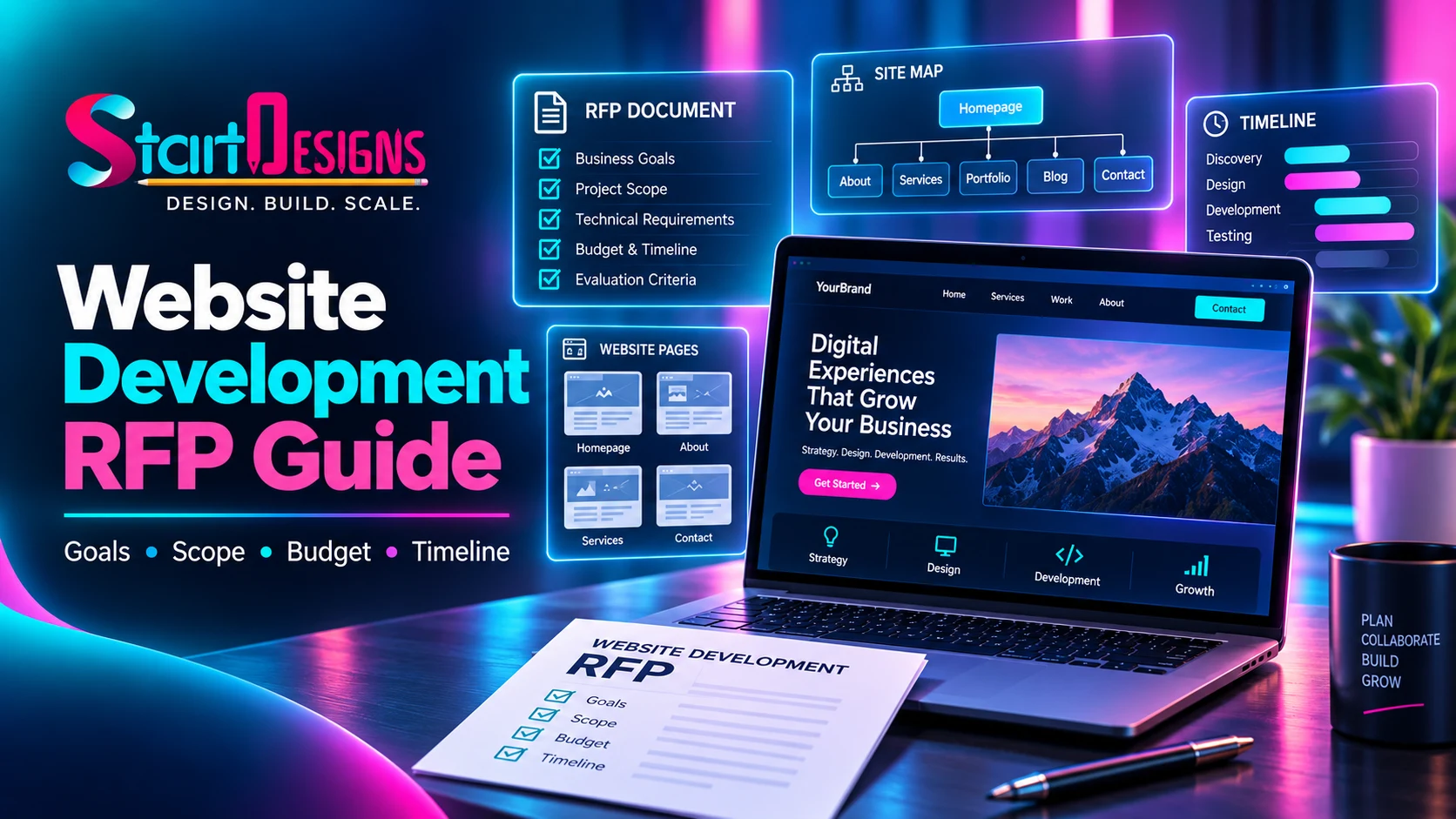
How to Write a Website Development RFP: Complete Guide & Checklist
September 19, 2026- 14 Min Read