

- About us
-
Services
- Back
- Development Services
-

-
-
-
- Designing Services
-
-
-
-
- Marketing Services
-
-
-
-
- Cloud Engineering Services
-
-
-
- ERP
-
-
-
- CRM
-
-
-
- Artificial Intelligence
-

-
-
- MVP
-
- Industry
- Portfolio
- Career
- Contact us
-
 info[at]startdesigns.com










Top MVP Development Companies in the USA
Choosing an MVP development company in the USA is a critical decision for founders, product leaders, and CTOs who need to validate ideas quickly without compromising long-term scalability. The right partner should deliver more than code they should provide structured discovery, clean architecture, rapid iteration cycles, and deployment practices that support growth after launch.
This guide compares leading MVP development companies, explains how to evaluate vendors, outlines MVP development costs in the USA, and provides a technical framework buyers can use to reduce risk. If your goal is to launch an investor-ready MVP, secure early users, or test product-market fit efficiently, this page will help you choose the right development partner.
Quick Comparison of MVP Development Companies
| Company | Best For | MVP Timeline | Industry Focus | Compliance Ready | Engagement Model |
|---|---|---|---|---|---|
| StartDesigns | SaaS & healthcare MVPs with scalable architecture | 4–8 weeks | B2B SaaS, HealthTech, Startups | Yes (RBAC, logging, audit-ready) | Sprint-based |
| Cabot Solutions | Healthcare & enterprise MVPs | 6–10 weeks | Healthcare, B2B SaaS | Yes | Project-based |
| Atomic Object | Product definition + engineering discipline | 8–12 weeks | SaaS, Enterprise | Moderate | Dedicated teams |
| MojoTech | Product strategy-led MVPs | 8–10 weeks | Fintech, SaaS | Moderate | Squad model |
| Sidebench | Regulated enterprise MVPs | 10–14 weeks | Healthcare, Enterprise | Strong | Consulting + build |
| WillowTree (TELUS Digital) | Enterprise digital platforms | 12+ weeks | Enterprise, AI | Strong | Enterprise contracts |
| ArcTouch | Mobile-focused MVPs | 6–10 weeks | Apps, Consumer tech | Moderate | Project model |
How to Evaluate an MVP Development Company
Before hiring an MVP development partner, use this evaluation framework:
- Discovery Sprint Structure – Does the company conduct structured workshops to define scope and risk?
- Architecture Planning – Do they design scalable backend architecture from the start?
- CI/CD Setup – Automated testing and deployment pipelines reduce future technical debt.
- Multi-Tenancy Design – Essential for SaaS scalability.
- RBAC Implementation – Role-based access control for security and compliance.
- Logging & Monitoring – Required for production readiness.
- Rollback & Release Strategy – Feature flags and version control.
- Post-Launch Iteration – Continuous sprint cycles after MVP launch.
Companies that lack these processes often deliver demos, not real products.
MVP Development Cost in the USA
| MVP Type | Typical Cost Range |
|---|---|
| Simple MVP (basic validation) | $5,000 – $10,000 |
| SaaS MVP with backend | $10,000 – $20,000 |
| Healthcare / Enterprise MVP | $20,000 – $40,000 |
Costs depend on integrations, security, and scalability requirements.
MVP Architecture Overview
A well-built MVP should include:
Frontend Layer → Web or mobile interface
API Layer → Business logic
Database → Structured data storage
Authentication System → Secure user access
Logging & Monitoring → Performance tracking
CI/CD Pipeline → Continuous deployment
This foundation prevents expensive rewrites when scaling.
Leading MVP Development Companies in the USA
1) StartDesigns
Best For: Startups, SaaS founders, and healthcare innovators who need fast MVP validation with scalable architecture and production-ready engineering practices.
Why They Stand Out: StartDesigns combines structured discovery, sprint-based development, and future-proof SaaS architecture. Their MVPs are built with CI/CD pipelines, multi-tenancy support, RBAC implementation, and monitoring systems from day one ensuring products can scale beyond validation without costly rewrites. They also focus on investor-ready demos and rapid post-launch iteration cycles.
Typical MVP Timeline: 4–8 weeks
Industries: B2B SaaS, HealthTech, AI-enabled platforms

2) Cabot Solutions
Best For: Healthcare and compliance-driven MVPs that require structured documentation and regulated environment awareness.
Why They Stand Out: Cabot emphasizes healthcare technology solutions with attention to compliance considerations, role-based access control, and audit readiness. Their discovery content and structured planning processes are aligned with enterprise buyers looking for predictable delivery.
Typical MVP Timeline: 6–10 weeks
Industries: Healthcare, B2B SaaS
3) Atomic Object
Best For: Companies seeking deep product definition, engineering discipline, and long-term scalability planning.
Why They Stand Out: Atomic Object is known for its strong product discovery methodologies and experienced US-based engineering teams. They focus on defining the right product before building, which reduces rework and improves product-market fit alignment.
Typical MVP Timeline: 8–12 weeks
Industries: SaaS, Enterprise software
4) MojoTech
Best For: Startups and enterprises that want product strategy embedded into MVP development.
Why They Stand Out: MojoTech integrates product management and UX strategy into development squads, helping clients validate not only technical feasibility but also user experience and business viability.
Typical MVP Timeline: 8–10 weeks
Industries: Fintech, SaaS
5) Sidebench
Best For: Enterprise and regulated MVP platforms requiring strong UX and system integration planning.
Why They Stand Out: Sidebench focuses on digital product strategy combined with engineering execution. They have experience supporting platforms with complex permissions, integrations, and enterprise-grade requirements.
Typical MVP Timeline: 10–14 weeks
Industries: Healthcare, Enterprise
6) WillowTree (TELUS Digital)
Best For: Large-scale enterprise MVP initiatives that may evolve into multi-platform ecosystems.
Why They Stand Out: With expanded capabilities under TELUS Digital, WillowTree provides strategy, data, and product development services suited for organizations planning long-term digital transformation beyond MVP.
Typical MVP Timeline: 12+ weeks
Industries: Enterprise, Digital platforms
7) ArcTouch
Best For: Mobile-first MVPs where user experience and first impressions are critical.
Why They Stand Out: ArcTouch promotes the Minimum Lovable Product approach, focusing on polished user experiences while maintaining rapid iteration and product validation.
Typical MVP Timeline: 6–10 weeks
Industries: Consumer apps, Digital products
Typical MVP Timeline
| Week | Focus |
|---|---|
| Week 1 | Discovery & planning |
| Week 2 | UX design + architecture |
| Week 3–4 | Core feature development |
| Week 5 | QA & deployment |
| Week 6+ | Iteration |
Red Flags When Hiring an MVP Development Company
- No discovery phase
- No CI/CD setup
- No architecture planning
- Fixed scope without validation
- No post-launch plan
FAQ
What does an MVP development company do?
An MVP development company builds a minimum viable product to validate demand before full-scale development.
How long does MVP development take?
Typically 4–12 weeks depending on complexity.
How much does MVP cost in the USA?
Most MVPs range between $20k and $120k.
How do I choose the right MVP partner?
Evaluate discovery process, architecture planning, security readiness, and iteration support.
Conclusion
Choosing the right MVP development company in the USA is less about the number of vendors and more about alignment, delivery speed, and technical foundation. A successful MVP isn’t just a prototype it’s a production-ready starting point. Define the first user workflow you want to validate, agree on a week-by-week delivery roadmap, and confirm that the team covers fundamentals like scalable architecture, CI/CD setup, logging, test coverage, and rollback strategy.
Ask every vendor for a clearly defined scope, a fixed demo milestone, and measurable success indicators such as activation steps, time-to-task completion, and early retention signals. These metrics determine whether your MVP proves demand or just burns budget.
If your product roadmap includes SaaS scalability, healthcare requirements, or enterprise buyers, working with a team that plans for multi-tenancy, RBAC, and monitoring from day one is critical. StartDesigns focuses on building investor-ready MVPs with structured discovery, sprint-based execution, and architecture designed for scale beyond launch. Their approach reduces technical debt and ensures your MVP can evolve into a full product without costly rebuilds.
Ship your first slice, validate with real users, and iterate fast, that’s how strong MVPs turn into scalable products.
Quick Buyer Checklist
✔ One user, one workflow, one measurable success metric
✔ Demo date defined in the proposal
✔ Multi-tenant-ready backend + RBAC + audit logging
✔ CI/CD pipelines, feature flags, and seed data for demos
✔ Post-launch iteration plan (2–4 week cycles)
When these foundations are in place, teams learn faster, close early adopters sooner, and avoid expensive re-engineering later.
About the author

Popular Posts
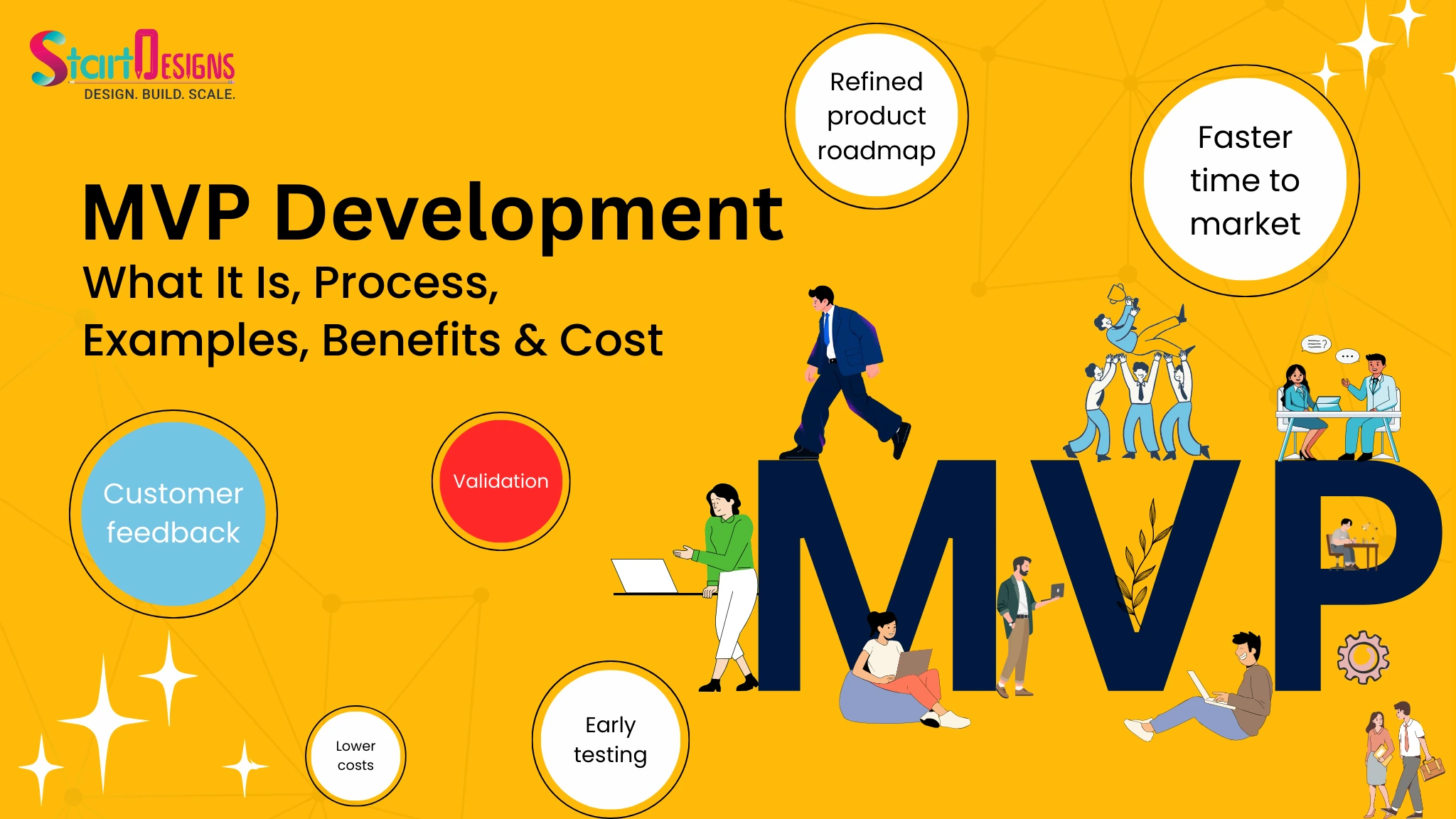
MVP Development: What It Is, Process, Examples, Benefits & Cost
January 27, 2026- 6 Min Read
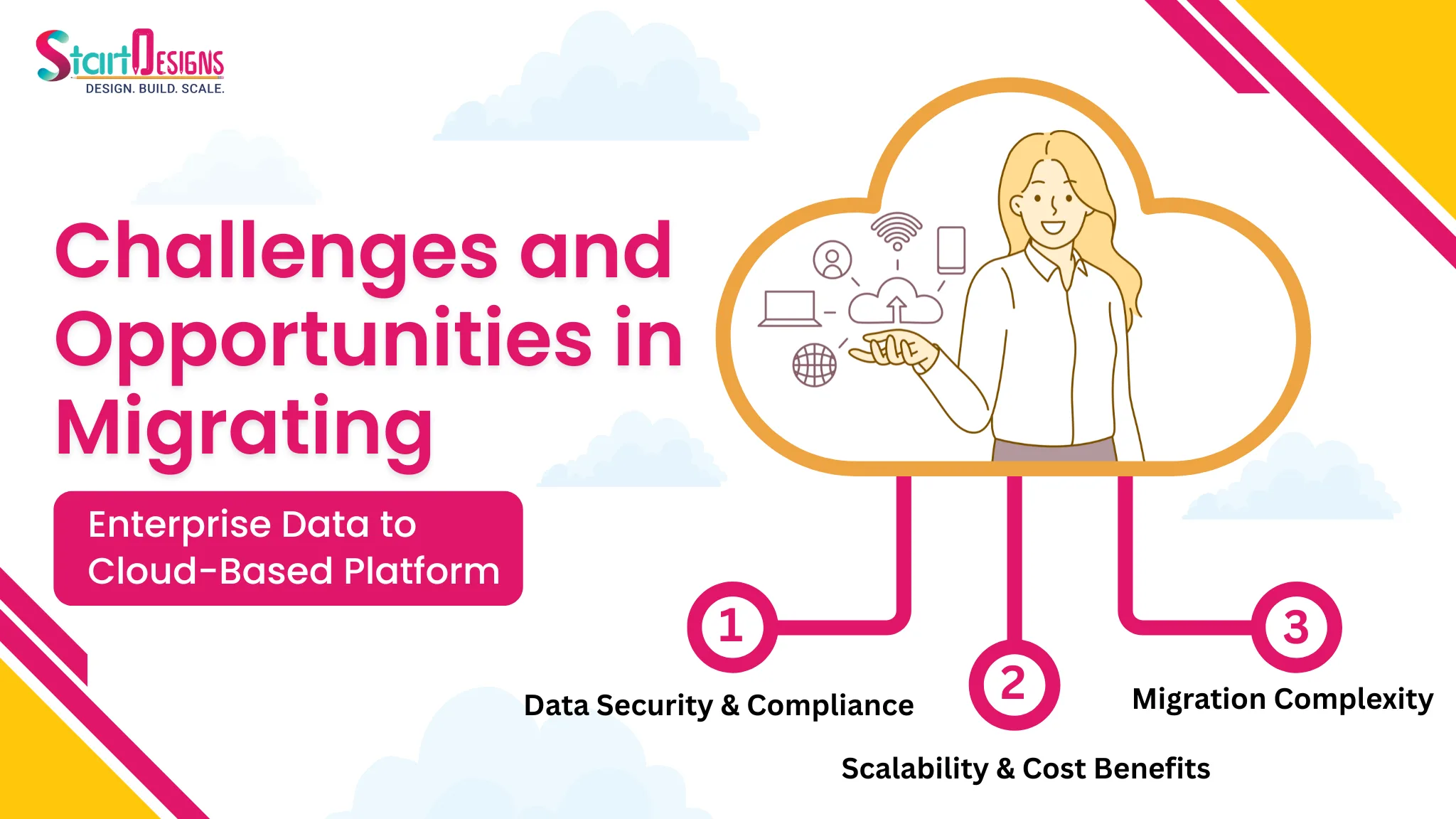
Challenges and Opportunities in Migrating Enterprise Data to Cloud-Based Platform
January 19, 2026- 8 Min Read
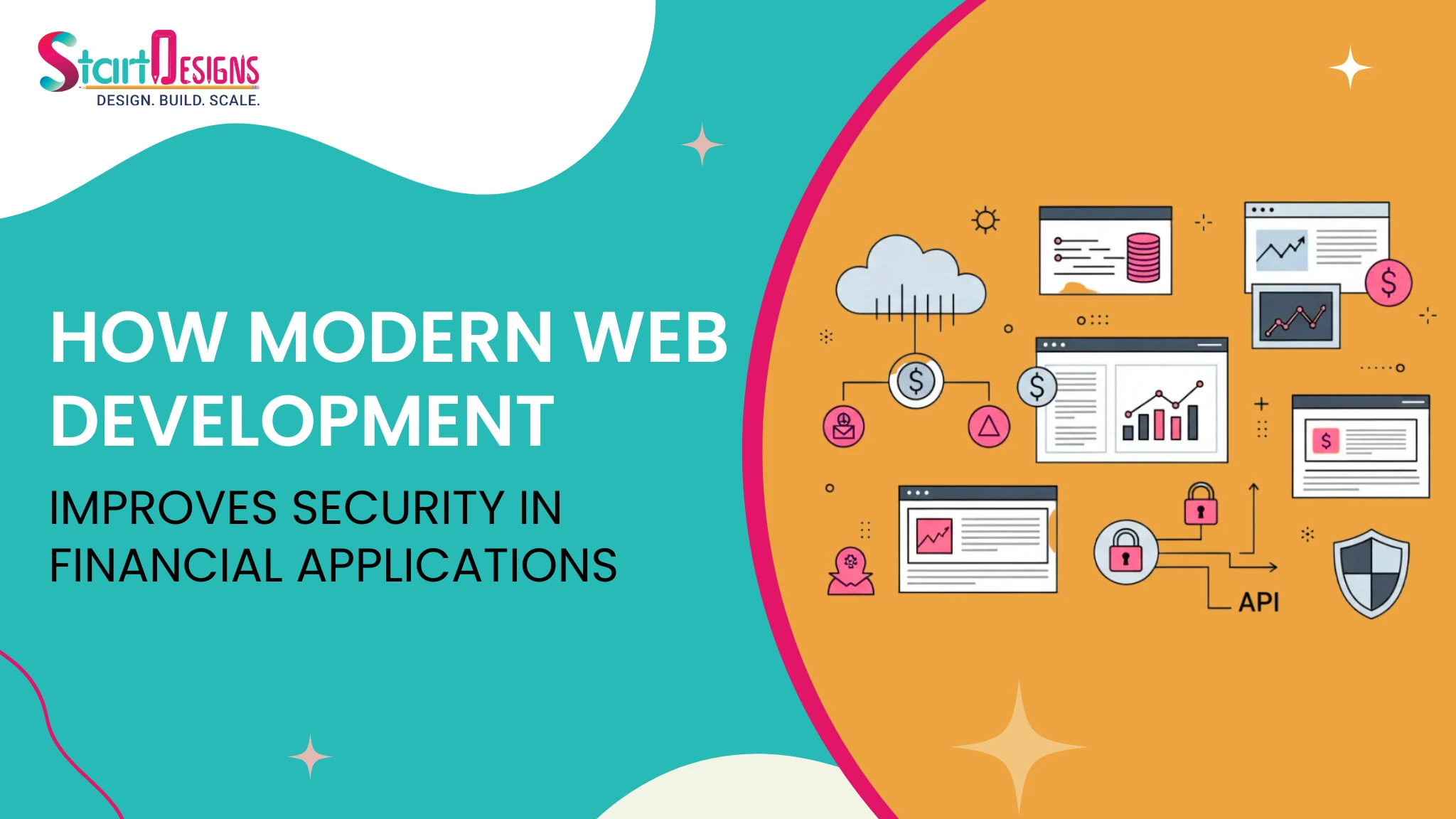
How Modern Web Development Improves Security in Financial Applications
January 16, 2026- 5 Min Read