


- About us
-
Services
- Back
- Development Services
-

-
-
-
- Designing Services
-
-
-
-
- Marketing Services
-
-
-
-
- Cloud Engineering Services
-
-
-
- ERP
-
-
-
- CRM
-
-
-
- Artificial Intelligence
-

-
-
-
- MVP
-
- Open Source Business
-
- Industry
- Portfolio
- Career
- Contact us
-
 info[at]startdesigns.com















Introduction: The Importance of a High-Converting E-Commerce Homepage
In 2025, your e-commerce homepage is much more than just a digital storefront. It’s your first chance to make an impression on potential customers. With so many options out there, users won’t hesitate to leave a website that doesn’t grab their attention immediately.
This year, the stakes are higher than ever. Consumers expect personalized experiences, fast load times, and a seamless shopping journey. Whether you’re running a small business or an established brand, your homepage design can either make or break your sales.
In this blog, we’ll dive deep into e-commerce homepage design ideas that are proven to increase conversions, improve user engagement, and help you stand out in 2025.
Why E-Commerce Homepage Design Matters in 2025
The homepage of your e-commerce site is often the first point of contact with potential customers. Here are a few reasons why a well-designed homepage is critical for success in 2025:
First Impressions Count
Users decide within seconds if they want to stay or leave. A visually appealing homepage with a clear message encourages visitors to explore further.
Building Trust
In the digital age, people are cautious about where they spend their money. A professional, trustworthy homepage with social proof like reviews, trust badges, and secure payment icons builds confidence.
Driving Conversions
A clear, well-organized homepage makes it easy for users to find what they want, whether it’s a specific product or information about your brand.
In 2025, Google’s algorithms will increasingly focus on mobile-first websites. With over 70% of e-commerce traffic coming from mobile devices, a mobile-optimized homepage is no longer optional.
Top 5 High-Converting E-Commerce Homepage Design Ideas for 2025
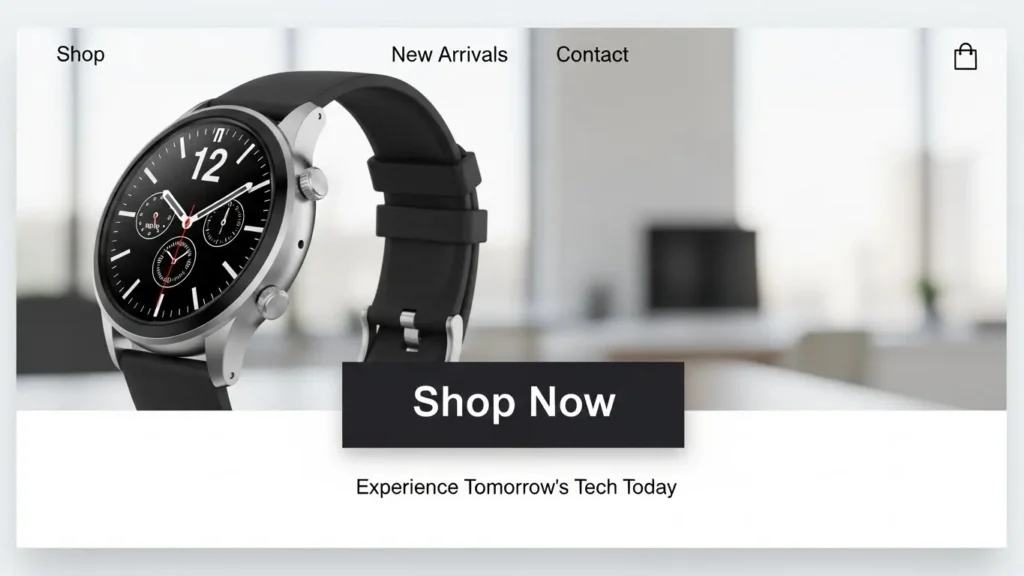
1. Hero Section with Bold CTAs
The hero section is the first thing users see when they land on your homepage. It sets the tone for the entire shopping experience.
- What You Should Do: Use large, high-quality product images or an attention-grabbing video that aligns with your brand. Pair this with a bold CTA (Call-to-Action) like “Shop Now,” “Explore Bestsellers,” or “Get 20% Off”.
- Why It Works: This section needs to capture attention within the first few seconds. A clear CTA guides users to the next step in their buying journey, whether it’s browsing products or learning more about your offer.
Real-World Example: Companies like Nike and Apple use striking hero images with single-focus CTAs that immediately direct the user to purchase or explore their collections.
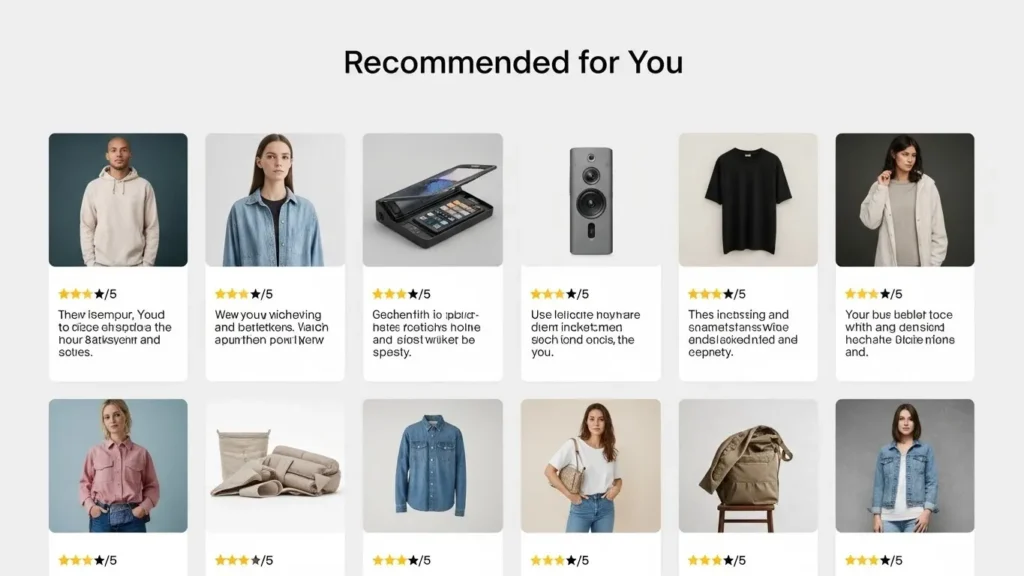
2. Personalized Shopping Experience
In 2025, consumers want a shopping experience that feels personalized. Gone are the days when a one-size-fits-all homepage worked.
- What You Should Do: Use AI-powered product recommendations based on browsing behavior. For example, if a visitor has previously looked at running shoes, your homepage should show them a carousel of the best-selling shoes or related accessories.
- Why It Works: A personalized homepage engages users by showing them products they are most likely to buy, leading to increased sales and longer site visits.
Real-World Example: Amazon is a master at this. Their homepage changes based on your past searches, showing products you’re more likely to purchase.
3. Minimalist & Clean Design
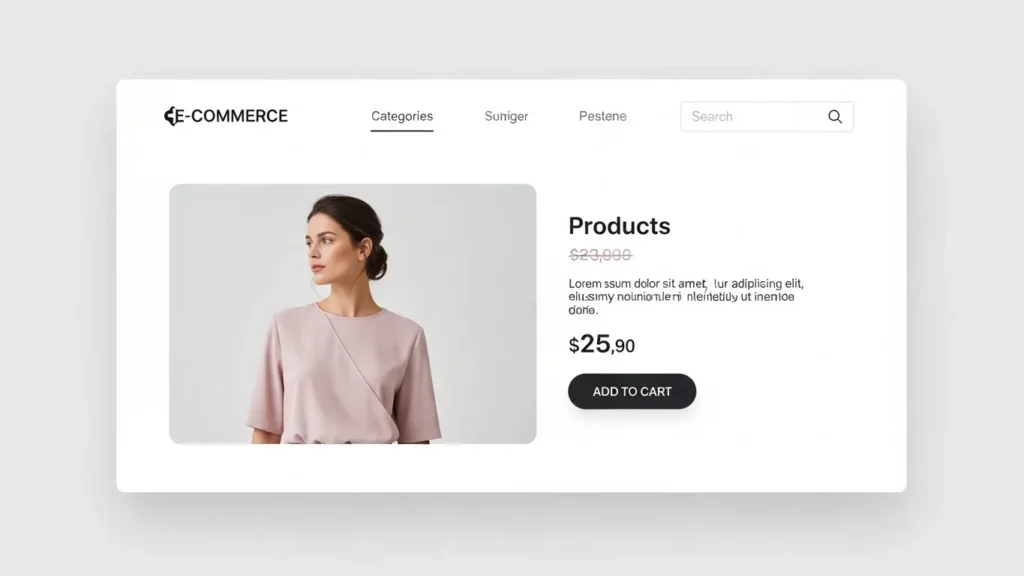
When it comes to e-commerce homepage design, less is often more. A cluttered homepage with too many elements can overwhelm the user and hinder the conversion process.
- What You Should Do: Use a clean layout with plenty of white space. Prioritize simple navigation, clear headings, and a minimalist design that helps the user focus on what matters: products and CTAs.
- Why It Works: A minimalist design reduces distractions and keeps the user’s attention where it matters. Additionally, this leads to faster loading times, which is crucial for both user experience and SEO.
Real-World Example: Apple’s homepage is a perfect example of minimalist design. It focuses on large product images with just enough information to keep you engaged.
4. Trust Signals & Reviews
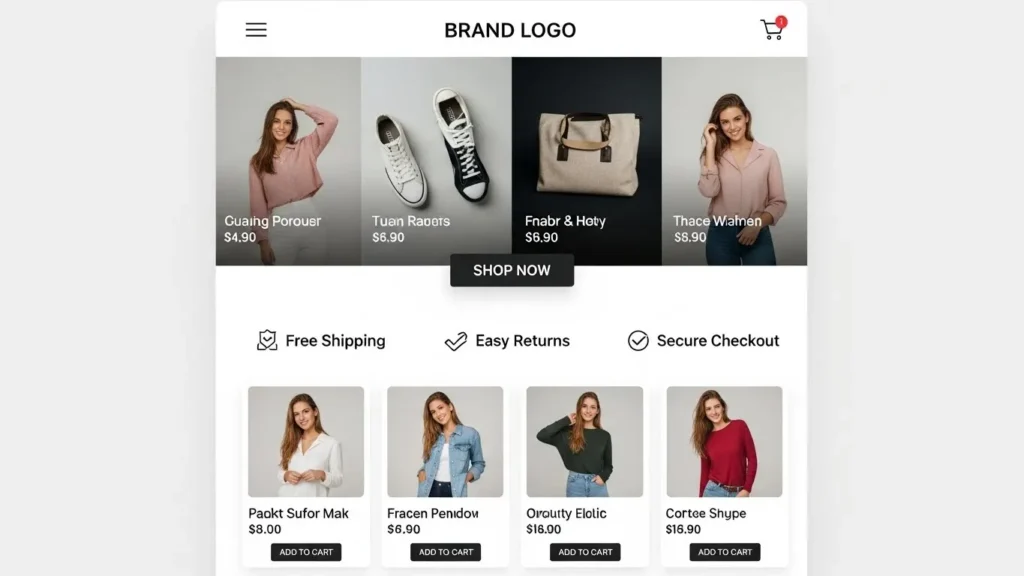
In 2025, consumers are more likely to trust your brand if they see social proof. Integrating trust signals directly into your homepage can build credibility and reduce the perceived risk of buying from your site.
- What You Should Do: Display customer reviews, ratings, and trust badges like “Secure Payment”, “Free Shipping”, or “Satisfaction Guarantee”. Additionally, user-generated content like customer photos can be a powerful way to add authenticity.
- Why It Works: Reviews and trust badges show potential buyers that your products are reliable and that others have had positive experiences with your store. This builds confidence and encourages conversions.
Real-World Example: Websites like Etsy and Amazon prominently display reviews and product ratings, making it easier for consumers to make buying decisions.

5. Mobile-First Design
With more and more shoppers using smartphones, ensuring your e-commerce homepage is optimized for mobile users is crucial for success in 2025.
- What You Should Do: Make sure your homepage is fully responsive, meaning it adjusts seamlessly across different screen sizes. Optimize images for mobile to ensure fast loading and simplify navigation to make shopping easy on smaller screens.
- Why It Works: A mobile-friendly design enhances user experience and improves your chances of keeping visitors on your site. Google rewards mobile-optimized websites with higher rankings.
Real-World Example: Zara has one of the most mobile-friendly websites in the industry, with quick load times, a smooth checkout experience, and a responsive design.
E-Commerce Homepage Design Mistakes to Avoid in 2025
Even with the best intentions, some design mistakes can harm your homepage’s effectiveness:
Slow Loading Time
Optimize images and scripts to avoid slow load times, as users are quick to leave slow websites.
Keep your navigation simple and easy to understand. Too many options can overwhelm users and hurt conversions.
Cluttered Design
Keep things clean and straightforward. Too much information or design can distract from your product offerings.
Neglecting Mobile Users
Ensure your website is optimized for all devices. Mobile optimization is key to keeping customers engaged.
No Clear Call-to-Actions
Make sure your CTAs stand out and are easy to find. Users should know exactly what to do next.
How to Test Your E-Commerce Homepage Design for Success
Once your homepage is live, it’s important to test its performance to ensure it’s working as expected. A/B testing can help you understand what’s working and what isn’t.
- Key Metrics to Track: Bounce rate, conversion rate, and time on page.
- Use tools like Google Analytics, Hotjar, or Crazy Egg to track user behavior and make data-driven improvements to your design.
Conclusion and Key Takeaways
In 2025, your e-commerce homepage must be more than just a good-looking webpage; it needs to be a conversion machine. By implementing these proven design ideas, you can create a homepage that not only attracts visitors but also keeps them engaged and guides them smoothly to checkout.
- Hero sections with bold CTAs capture attention and encourage immediate action.
- Personalized shopping experiences improve engagement and sales.
- A minimalist design enhances usability and speed.
- Trust signals and customer reviews build credibility and boost conversions.
- A mobile-first design ensures a seamless experience across all devices.
Stay ahead of the curve by continuously testing and refining your homepage. In 2025, small design tweaks can yield significant results.
About the author



Popular Posts
How to Write a Website Development RFP: Complete Guide & Checklist
September 19, 2026- 14 Min Read