

- About us
-
Services
- Back
- Development Services
-

-
-
-
- Designing Services
-
-
-
-
- Marketing Services
-
-
-
-
- Cloud Engineering Services
-
-
-
- ERP
-
-
-
- CRM
-
-
-
- Artificial Intelligence
-

-
-
-
- MVP
-
- Open Source Business
-
- Industry
- Portfolio
- Career
- Contact us
-
 info[at]startdesigns.com











AI transformation is the process of redesigning business operations using artificial intelligence, intelligent software systems and automation.
Unlike simply adopting AI tools, AI transformation focuses on connecting:
- Business data
- Software applications
- AI models
- Automated workflows
- Human decision-making
The goal is to help businesses move from manual processes to intelligent systems that can analyze information, support decisions and automate complex workflows.
Successful AI transformation requires more than choosing an AI tool.
It requires:
- The right business strategy
- Reliable data
- Software engineering
- System integration
- Continuous optimization
Introduction
Many businesses are currently experimenting with artificial intelligence.
Teams are using AI assistants, automation platforms and generative AI tools to improve productivity.
However, there is a difference between using AI and building an AI-powered business.
Using an AI writing assistant or chatbot may improve one task.
But true AI transformation happens when artificial intelligence becomes integrated into the core operations of a company.
For example:
A company using a chatbot to answer customer questions is adopting AI.
A company using an AI system that understands customer requests, accesses internal knowledge, updates CRM records and completes workflows is transforming its operations.
The difference is not the AI model.
The difference is the system around it.
Modern businesses need AI solutions that connect with:
- Existing software
- Internal databases
- Customer platforms
- Business workflows
This is where AI transformation moves from experimentation to real business impact.
What Is AI Transformation?
AI transformation means using artificial intelligence to improve how a business operates, makes decisions and delivers value.
It combines:
- Artificial intelligence
- Software development
- Data systems
- Automation
- Business process redesign
A traditional business process:
Employee

↓

Manual Task

↓

Software Tool

↓

Result
An AI-powered process:
Business Data

↓

AI System

↓

Intelligent Decision

↓

Automated Action

↓

Business Result
AI transformation does not simply replace existing systems.
It improves them by adding intelligence.
AI Adoption vs AI Automation vs AI Transformation
Businesses often confuse these three concepts.
Understanding the difference helps companies choose the right approach.
| Stage | Focus | Example |
|---|---|---|
| AI Adoption | Using AI tools | Employees using AI assistants |
| AI Automation | Automating tasks | AI processing documents |
| AI Transformation | Redesigning operations | AI-powered business systems |
AI Adoption
AI adoption is the first stage.
Examples:
- Using ChatGPT for productivity
- Using AI writing tools
- Using AI analytics software
The business is using AI, but core workflows remain unchanged.
AI Automation
AI automation focuses on improving specific processes.
Examples:
- Automatic document processing
- Customer email classification
- Report generation
- Workflow automation
The objective:
Reduce repetitive work.
AI Transformation
AI transformation changes how the business operates.
Example:
Traditional sales process:
Lead arrives → Salesperson researches → Follow-up
AI-powered sales system:
Lead arrives →
AI analyzes customer information →
AI checks CRM data →
AI recommends next action →
Sales team receives insights
This is transformation.
AI Transformation vs Digital Transformation
These terms are related but different.
| Digital Transformation | AI Transformation |
|---|---|
| Uses technology to improve business | Uses AI to make systems intelligent |
| Focuses on software and processes | Focuses on intelligence and decisions |
| Automates workflows | Enables adaptive workflows |
| Technology modernization | AI-powered operations |
Digital transformation creates the foundation.
AI transformation adds intelligence on top of that foundation.
Why Businesses Need AI Transformation
Increasing Operational Complexity
Modern businesses manage:
- Large amounts of data
- Multiple applications
- Customer interactions
- Internal workflows
AI helps businesses analyze information faster and improve decision-making.
Manual Processes Limit Growth
Many organizations still depend on:
- Manual reporting
- Spreadsheet workflows
- Repetitive approvals
- Data entry
These processes become expensive as companies grow.
Customers Expect Faster Experiences
Customers expect:
- Instant answers
- Personalized recommendations
- Faster service
AI helps businesses deliver better experiences.
StartDesigns AI Transformation Framework
A successful AI implementation requires a structured approach.
Discover → Design → Develop → Deploy → Optimize
Stage 1: Discover
Identify where AI can create business value.
Analyze:
- Repetitive workflows
- Manual processes
- Data-heavy operations
- Customer challenges
Questions:
- Where are employees spending unnecessary time?
- Which decisions require large amounts of data?
- Which processes affect customer experience?
Stage 2: Design
Create the AI solution strategy.
Decide:
- AI assistant
- AI automation
- AI agent
- Custom AI application
Define:
- Data sources
- Software integrations
- Security requirements
Stage 3: Develop
Build intelligent systems.
Examples:
- AI applications
- AI assistants
- AI agents
- Business automation workflows
Stage 4: Deploy
Integrate AI with existing business systems.
Connections may include:
- CRM
- ERP
- Databases
- APIs
- Internal applications
Stage 5: Optimize
AI systems improve through continuous monitoring.
Measure:
- Accuracy
- Adoption
- Time saved
- Business impact
Is Your Business Ready For AI Transformation?
Before investing in AI, businesses should evaluate:
Data Availability
Do you have:
- Organized business data?
- Reliable information sources?
- Connected systems?
Clear Business Problems
AI works best when solving specific problems.
Examples:
- Reduce support workload
- Improve lead conversion
- Automate manual operations
Existing Software Systems
AI creates more value when connected with:
- Business applications
- Databases
- APIs
AI Transformation Use Cases
Customer Support AI
Before:
Support teams manually answer repeated questions.
After:
AI assistant:
- Understands customer requests
- Searches knowledge
- Provides answers
- Escalates complex cases
Sales AI Systems
AI can help:
- Analyze leads
- Predict customer intent
- Recommend actions
- Update CRM
Operations AI
AI can automate:
- Document processing
- Internal workflows
- Data analysis
- Approvals
Finance AI
Use cases:
- Reporting automation
- Forecasting
- Risk analysis
AI Transformation In Real Estate
AI solutions can support:
- Property recommendations
- Lead qualification
- Customer communication
Example:
A visitor searches properties.
AI assistant:
- Understands requirements
- Suggests properties
- Updates sales system
AI Transformation In Healthcare
Applications:
- Patient assistants
- Appointment automation
- Knowledge systems
- Administrative workflows
AI Transformation In Logistics
Applications:
- Route optimization
- Tracking intelligence
- Operations automation
AI Agents: The Next Stage Of Business Automation
Traditional automation follows fixed rules.
Example:
“If customer submits form → send email.”
AI agents work differently.
They can:
- Understand goals
- Analyze context
- Make decisions
- Perform multiple actions
AI Agents vs Traditional Automation
| Traditional Automation | AI Agents |
|---|---|
| Rule-based | Goal-based |
| Fixed workflow | Adaptive workflow |
| Limited decisions | Context understanding |
| Executes tasks | Plans and executes actions |
Types Of AI Agents For Businesses
Customer Support Agents
Handle:
- Customer questions
- Knowledge search
- Ticket assistance
Sales Agents
Handle:
- Lead analysis
- Customer research
- Follow-ups
Operations Agents
Handle:
- Internal workflows
- Reports
- Data processing
Knowledge Agents
Handle:
- Company documents
- Internal information
- Employee assistance
AI Transformation Architecture
A practical AI system usually contains multiple layers.
Business Data

↓

Data Processing Layer

↓

AI Models / LLM

↓

AI Agents

↓

Business Applications

↓

Users
Example: AI Customer Support Architecture
Customer

↓

AI Assistant

↓

RAG Knowledge System

↓

CRM + Database

↓

Support Team
AI Technology Stack Behind Transformation
Generative AI
Used for:
- Content generation
- Knowledge assistants
- Customer interactions
Large Language Models (LLMs)
Used for:
- Understanding language
- Reasoning
- Generating responses
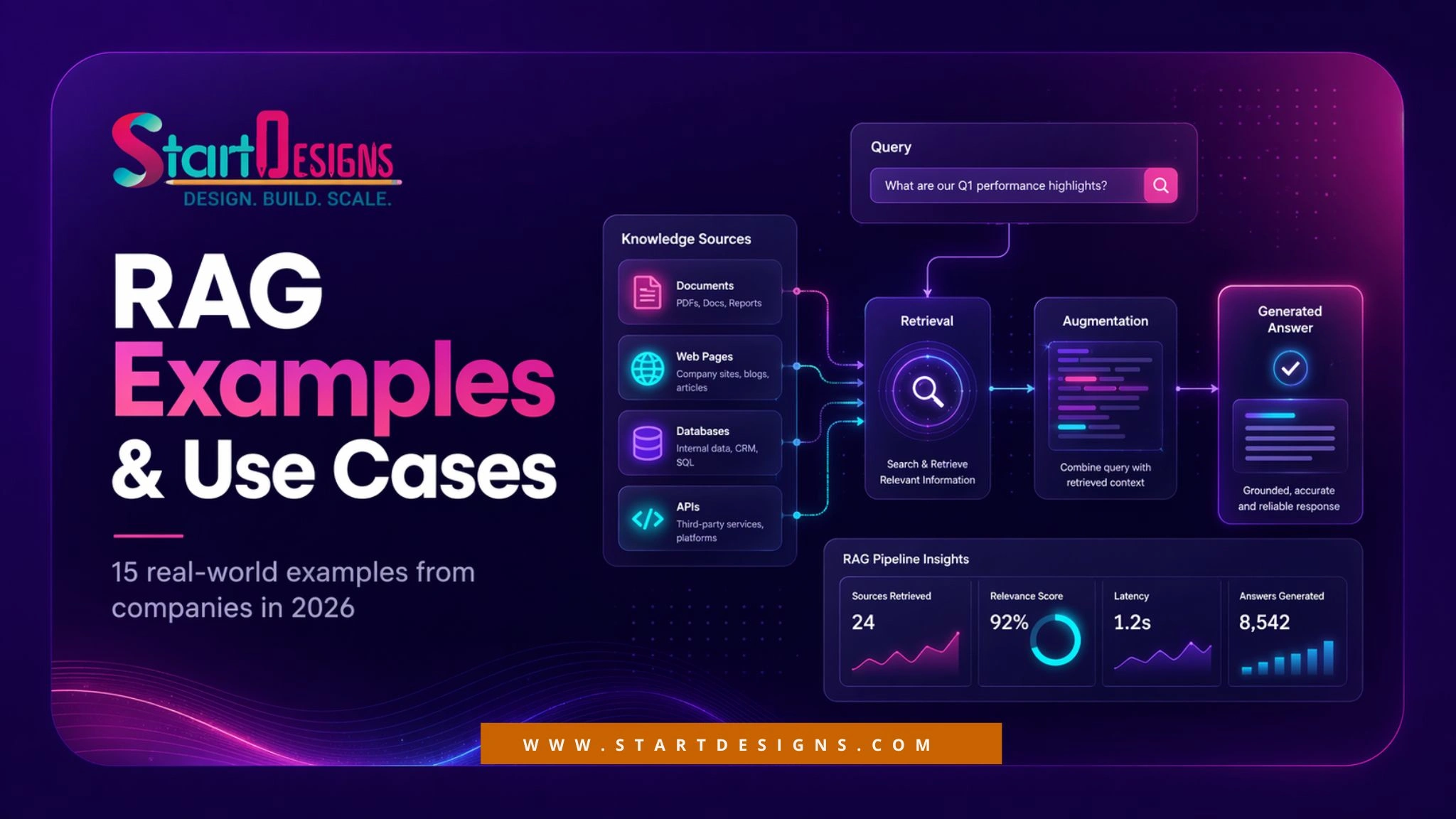
RAG Systems
Used for:
- Enterprise knowledge
- Document-based AI applications
AI Agents
Used for:
- Autonomous workflows
- Multi-step business processes
APIs And Integrations
Used for connecting AI with:
- Existing software
- Databases
- Business systems
AI Transformation Challenges
Data Quality
Poor data creates unreliable AI results.
Solution:
- Clean data
- Structured information
- Proper access rules
Security
Businesses must protect:
- Customer data
- Internal information
- Sensitive documents
Integration Complexity
AI must connect with existing technology systems.
Examples:
- CRM
- ERP
- Custom software
- Databases
Employee Adoption
Successful AI implementation requires:
- Training
- New workflows
- Clear processes
AI Transformation Cost
AI implementation cost depends on:
- Business requirements
- AI complexity
- Data preparation
- Software integration
- Custom development
AI Transformation Investment Levels
Level 1: AI Productivity
Examples:
- AI assistants
- Internal productivity tools
Level 2: AI Automation
Examples:
- Workflow automation
- Document processing
Level 3: AI Applications
Examples:
- Custom AI software
- Business platforms
Level 4: AI Agents
Examples:
- Sales agents
- Support agents
- Operations agents
When AI Transformation Is Not The Right First Step
AI is not always the solution.
Businesses should first solve:
Unclear Problems
AI cannot fix a problem that is not defined.
Poor Processes
Broken workflows should be improved before automation.
Missing Data
AI requires reliable information.
How To Choose An AI Transformation Partner
A good partner should combine:
AI Expertise
Knowledge of:
- AI models
- AI agents
- Generative AI
- Automation
Software Engineering
Ability to build:
- Applications
- APIs
- Cloud systems
- Integrations
Business Understanding
Ability to identify:
- High-value opportunities
- ROI
- Practical solutions
Why StartDesigns For AI Transformation?
StartDesigns helps businesses move from AI ideas to production-ready intelligent systems.
The approach combines:
- AI development
- Custom software engineering
- Application development
- System integration
- Workflow automation
StartDesigns helps organizations build:
- AI-powered applications
- Intelligent automation systems
- AI agents
- Custom business software
- AI-integrated platforms
The goal is not simply implementing AI.
The goal is building intelligent systems that solve real business problems.
Frequently Asked Questions
What is AI transformation?
AI transformation is the process of redesigning business operations using artificial intelligence, automation and intelligent software systems.
What is the difference between AI automation and AI transformation?
AI automation improves specific tasks, while AI transformation changes complete business workflows using intelligent systems.
How should a business start AI transformation?
Businesses should start by identifying valuable processes, preparing data, selecting AI solutions and integrating AI into existing systems.
Do businesses need custom AI software?
Not always. Some businesses can use existing tools, while companies with unique workflows often need custom AI applications.
What are AI agents?
AI agents are intelligent systems that can understand goals, analyze information and perform multiple actions.
How much does AI transformation cost?
Cost depends on AI complexity, data requirements, integrations and custom development needs.
Conclusion
AI transformation is not about adding more AI tools.
It is about creating intelligent systems that improve how businesses operate.
Companies that succeed with AI focus on:
- The right problems
- Reliable data
- Connected software systems
- Practical workflows
- Continuous improvement
StartDesigns helps businesses design, develop and integrate AI-powered software systems that turn AI opportunities into practical business solutions.
About the author


Popular Posts