
- About us
-
Services
- Back
- Development Services
-

-
-
-
- Designing Services
-
-
-
-
- Marketing Services
-
-
-
-
- Cloud Engineering Services
-
-
-
- ERP
-
-
-
- CRM
-
-
-
- Artificial Intelligence
-

-
-
-
- MVP
-
- Industry
- Portfolio
- Career
- Contact us
-
 info[at]startdesigns.com














If you search for “tutoring website examples,” you’ll mostly find simple listicles.
Screenshots.
Two lines of description.
Move to next example.
That’s inspiration.
But not strategy.
This guide is different.
Here, we analyze 15 real tutoring websites and break down:
- Why their design works
- How they convert visitors
- What SEO strategy they use
- What you can replicate
If you’re building a tutoring website in 2026, this is what actually matters.
What Makes a Tutoring Website High-Converting?
Before jumping into examples, let’s define the framework.
A tutoring website that converts must:
- Clearly state student outcome (not vague promises)
- Show social proof above the fold
- Make booking frictionless
- Display tutor credibility immediately
- Have structured SEO landing pages
If any of these are missing, conversions drop.
Now let’s analyze real examples.
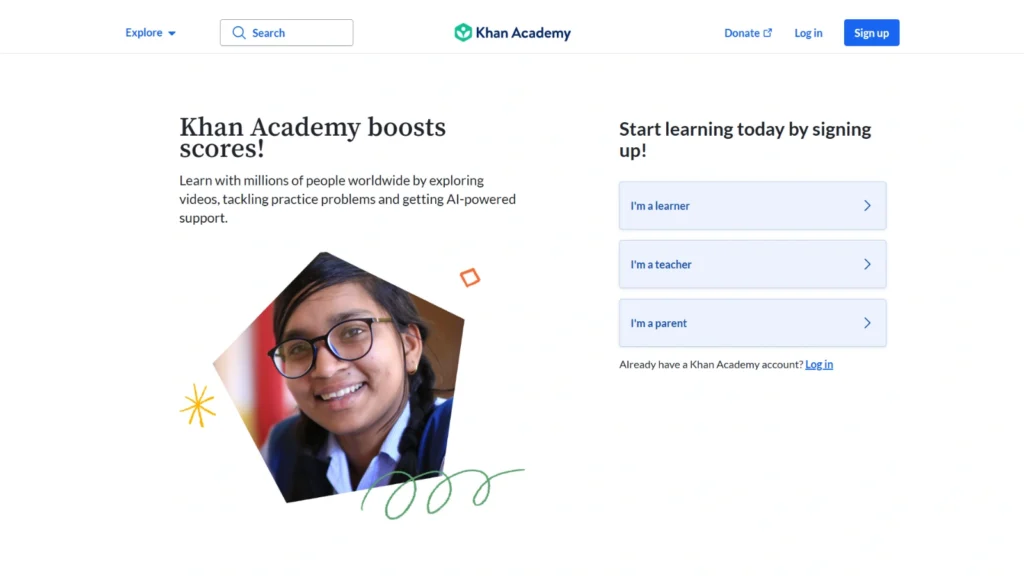
1. Khan Academy
Positioning
Free world-class education platform.
UX Breakdown
- Minimal homepage with clear mission statement
- Clean subject navigation
- Personalized dashboard system
- No clutter
Conversion Strategy
Instead of aggressive CTAs, they focus on trust and long-term engagement.
SEO Strategy
- Massive topic clusters
- Each lesson has optimized title + internal linking
- Strong authority signals
- Deep subject segmentation
Takeaway: Content depth + structure beats flashy design.
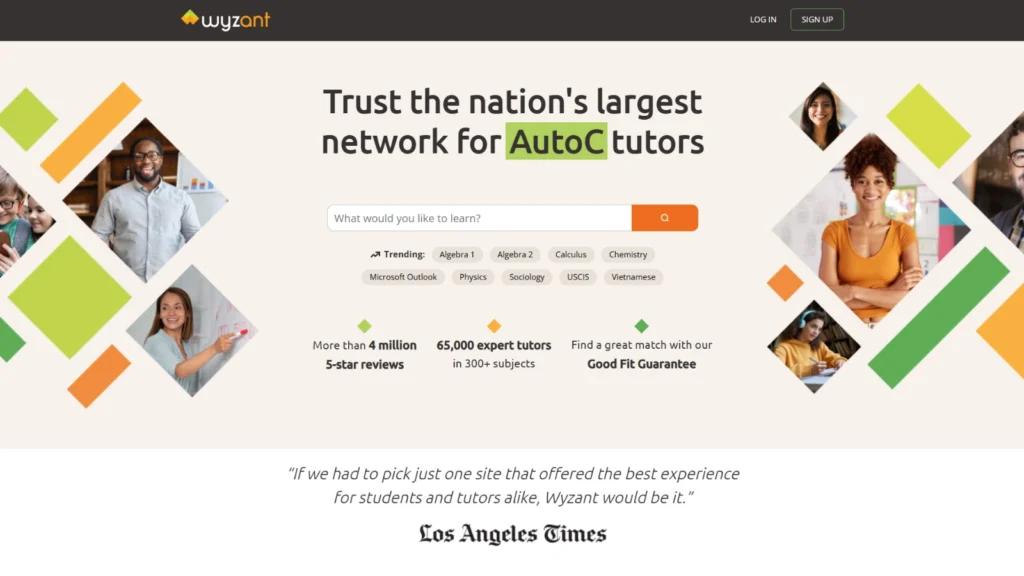
2. Wyzant
UX Strength
Tutor marketplace with advanced filtering.
Why It Converts
- Filter by subject, price, rating
- Transparent tutor profiles
- Reviews prominently displayed
SEO Strategy
- Thousands of programmatic pages
- “Math tutor near me”
- Subject + city targeting
Takeaway: Filters increase control → higher booking confidence.
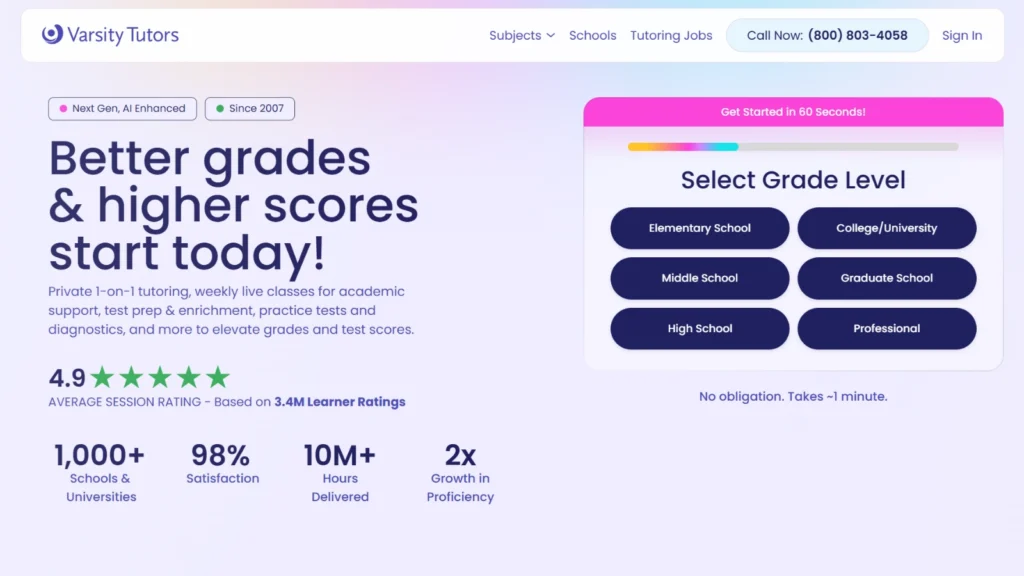
3. Varsity Tutors
UX Positioning
Premium academic tutoring brand.
Trust Signals
- Exam improvement stats
- University-level preparation
- Professional imagery
SEO Strategy
- SAT, ACT, GRE dedicated pages
- Geo-targeted landing pages
- Strong internal linking
Takeaway: Exam-specific SEO pages drive high-intent traffic.
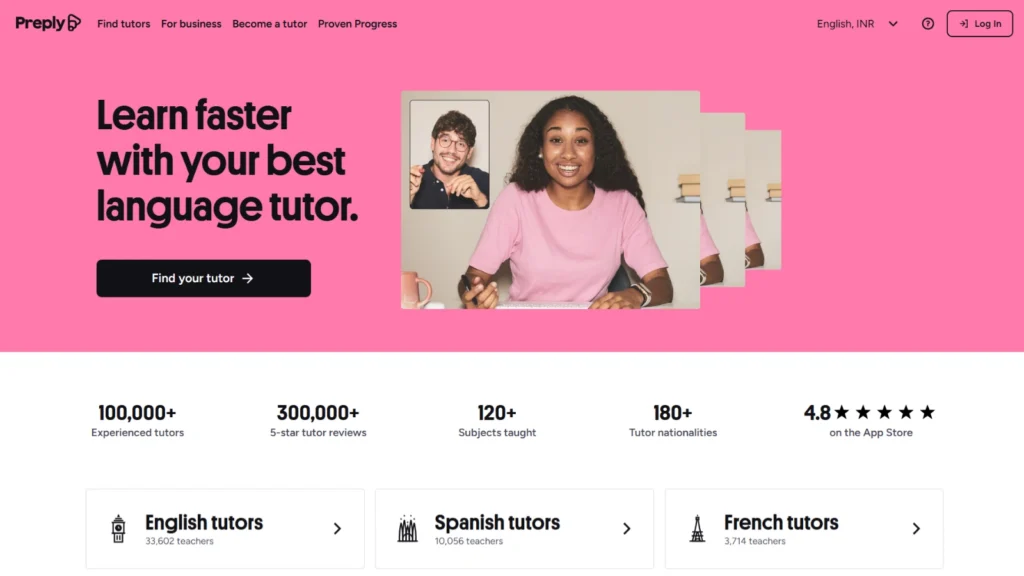
4. Preply
UX Highlight
Video previews of tutors.
Why That Works
Seeing the tutor builds trust instantly.
SEO Play
- Language-specific pages
- Country-based targeting
- Blog content funnel
Takeaway: Specialization improves authority.
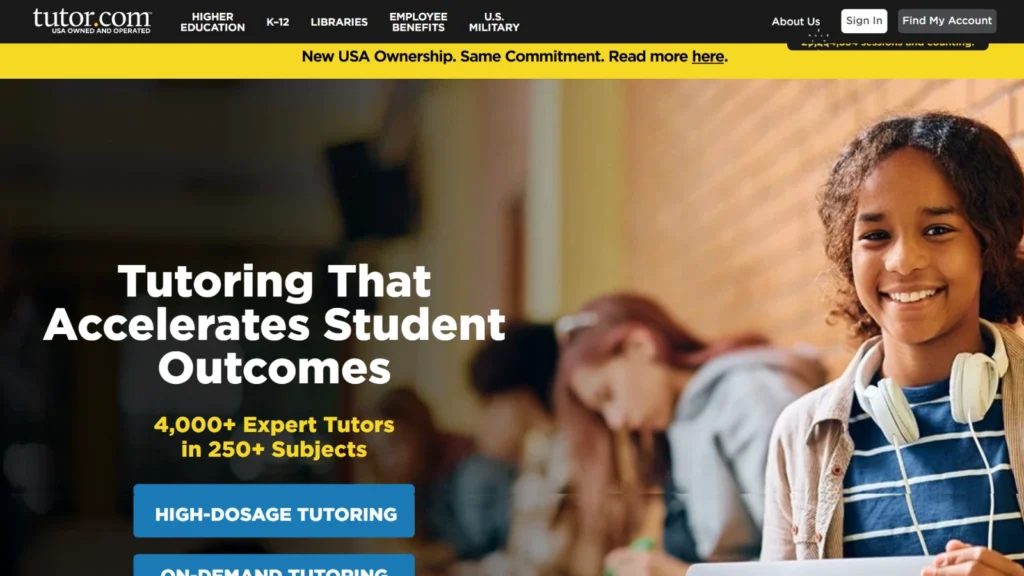
5. Tutor.com
UX Design
Simple, trust-driven layout.
Conversion Strategy
- Clear service explanation
- Government partnerships displayed
- Strong credibility positioning
SEO
- Resource center blog
- Institutional backlinks
Takeaway: Authority backlinks increase domain trust.
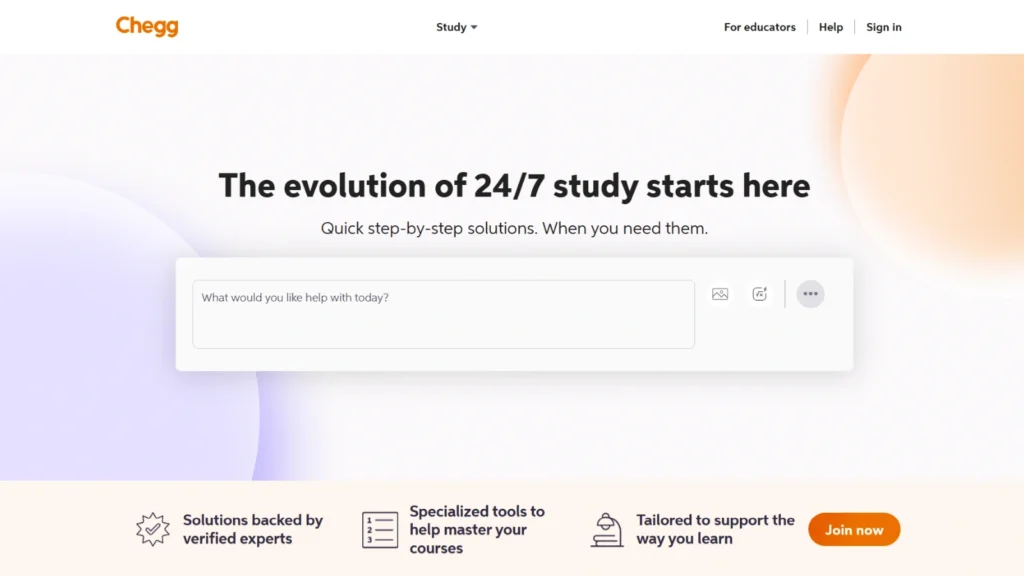
6. Chegg
UX
Startup-style layout with bold CTAs.
Conversion Focus
- Free trial
- Homework help positioning
- Clear pricing
SEO
- Separate landing pages per service
- Strong blog ecosystem
Takeaway: Funnel structure improves paid conversion.
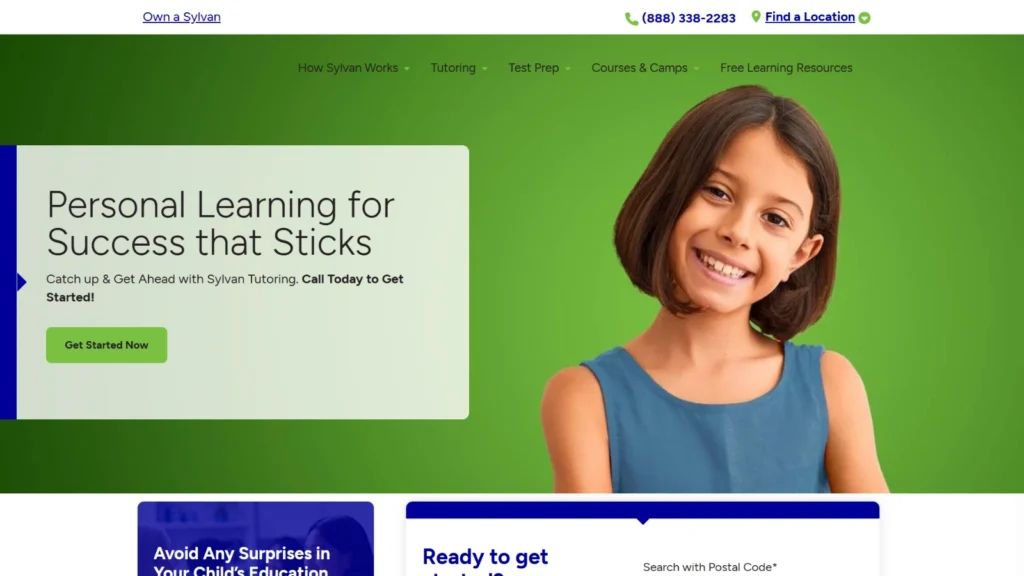
7. Sylvan Learning
UX Strategy
Parent-first messaging.
Conversion Boosters
- Local center finder
- Testimonials
- Strong CTAs
SEO Strategy
- City-level landing pages
- Location schema
- Local SEO optimization
Takeaway: Local SEO dominates tutoring searches.
8. Outschool
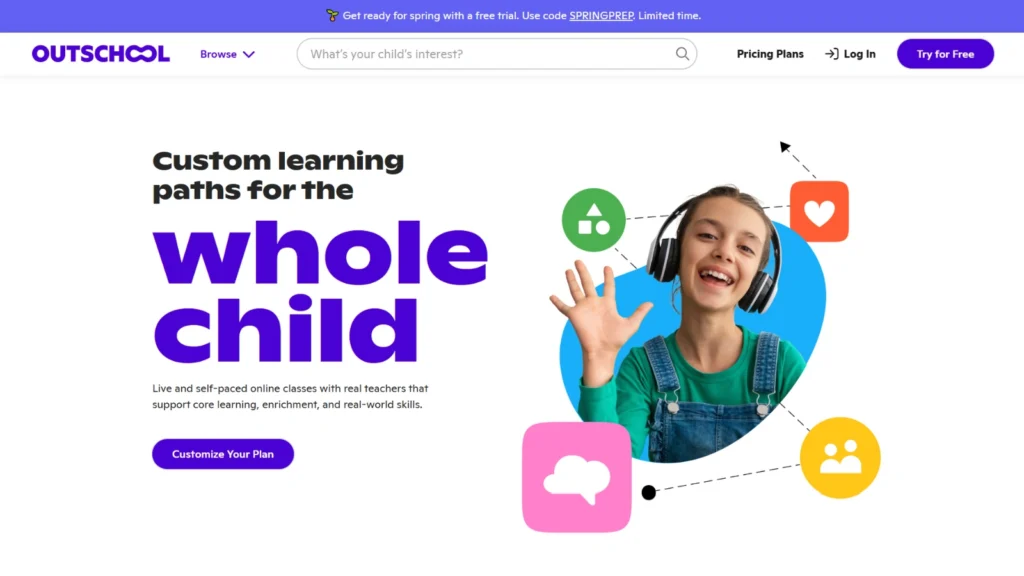
UX Model
Course marketplace structure.
Why It Works
- Filters
- Reviews
- Clear scheduling
SEO
- Class-specific landing pages
- Long-tail optimization
Takeaway: Marketplace structure scales content.
9. GoStudent
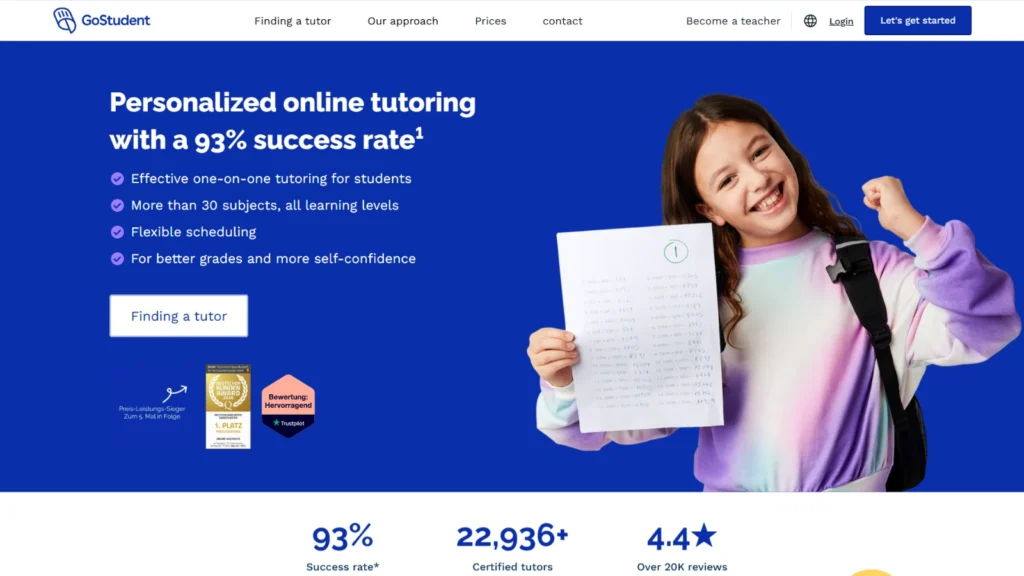
UX Strength
Structured onboarding funnel.
Conversion Strategy
- Student success numbers displayed
- Guided consultation process
SEO
- Country-based segmentation
- Subject-specific pages
Takeaway: Data-driven credibility improves trust.
10. Superprof
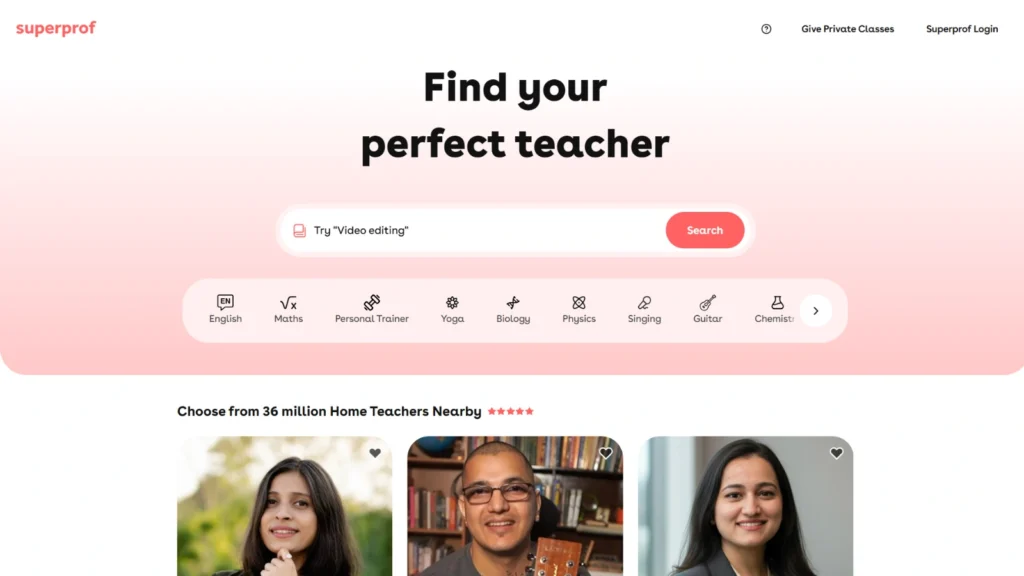
UX
Tutor profiles dominate interface.
SEO Advantage
Programmatic landing pages like:
- “Math tutor in London”
- “Physics tutor near me”
Thousands of geo pages.
Takeaway: Programmatic SEO = traffic scale.
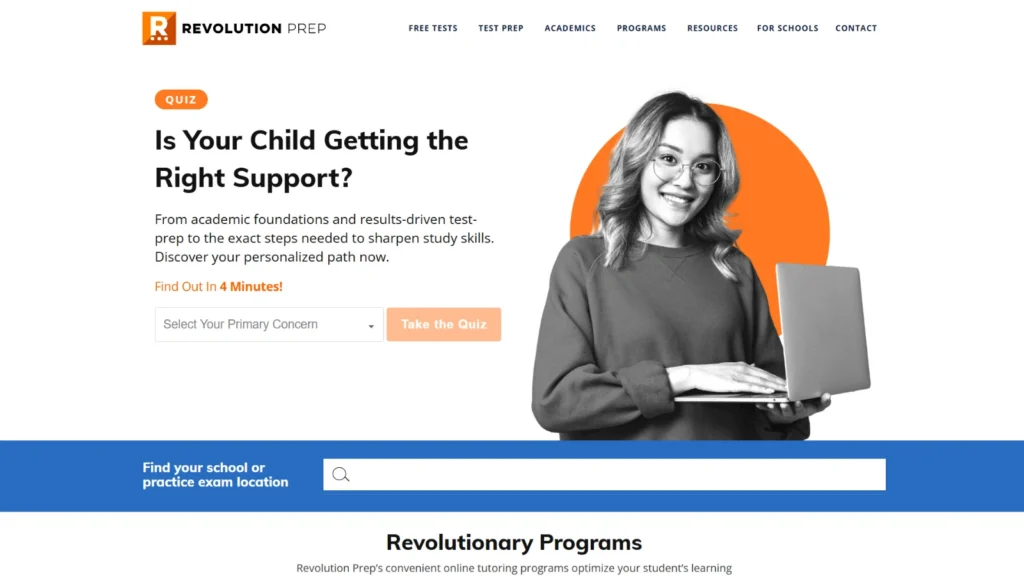
11. Revolution Prep
Premium academic positioning with structured programs and performance tracking dashboards.
SEO focus on exam-based landing pages.
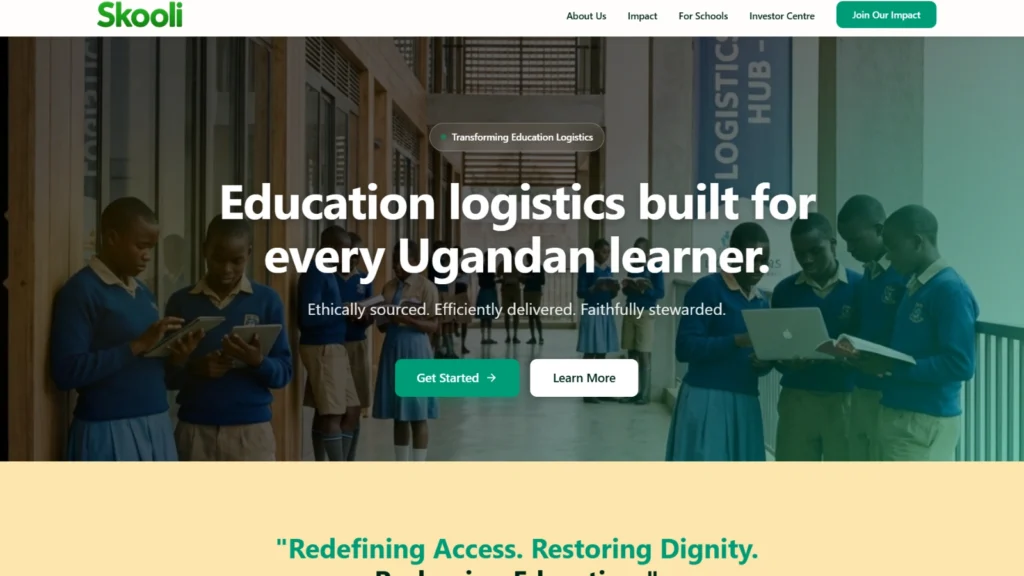
12. Skooli
Instant tutoring model with pay-per-minute clarity.
Strong subject-level optimization.
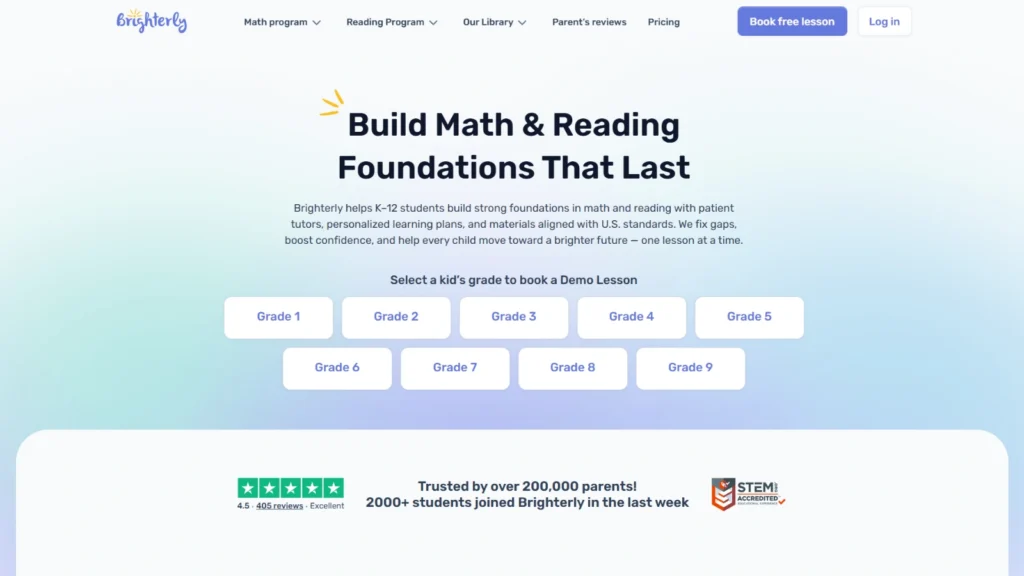
13. Brighterly
Child-friendly UX with parent-focused copywriting.
SEO niche dominance in math tutoring.
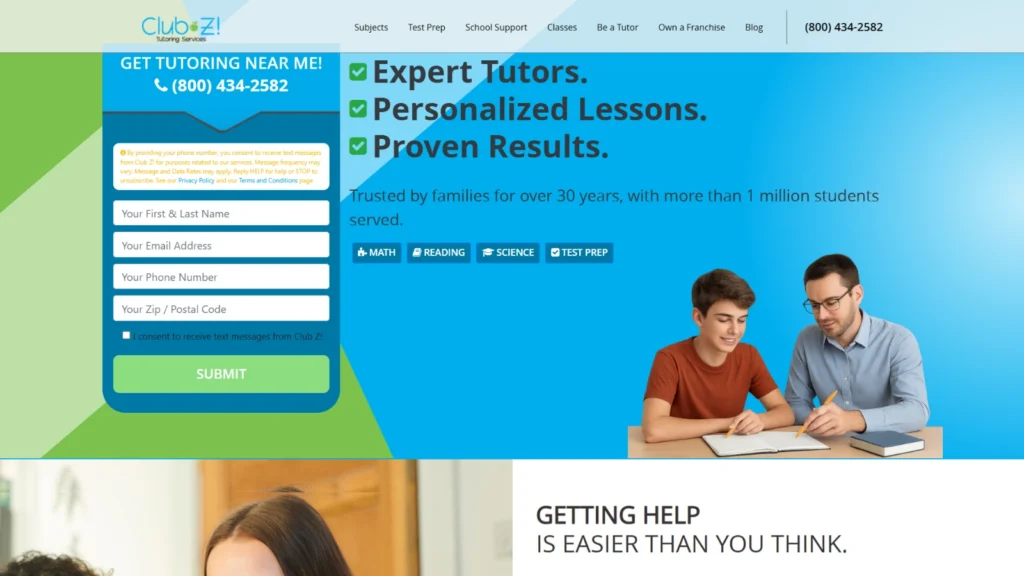
14. Club Z! Tutoring
Strong local presence with phone-first CTAs.
Optimized city pages.
15. TutorMe
“Get a tutor in 60 seconds” positioning.
Speed-focused conversion model.
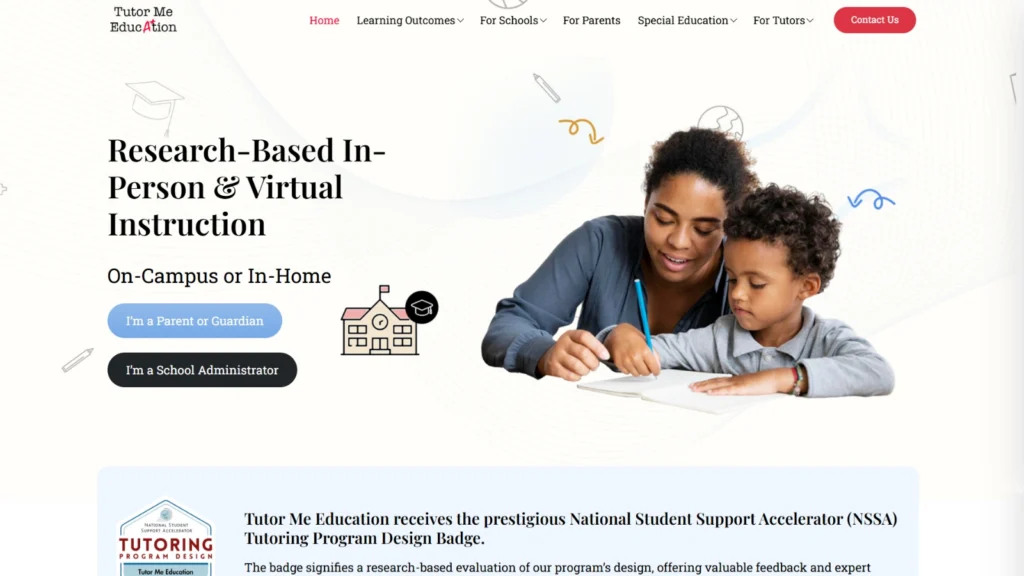
Common Patterns Across All High-Performing Tutoring Websites
After analyzing all 15, these patterns appear consistently:
- Clear headline with outcome
- Social proof above fold
- Transparent pricing or consultation
- Filters or specialization
- Mobile-first design
- Strong internal linking
- Location or subject segmentation
SEO Blueprint for Your Tutoring Website
If you want to rank:
1. Create Subject Landing Pages
Example:
- /math-tutoring
- /sat-prep
- /physics-tutor
2. Add Location Pages
- /math-tutor-new-York
- /sat-prep-los-angeles
3. Add Blog Cluster
Content ideas:
- How to improve math grades fast
- SAT study mistakes
- Best exam preparation tips
4. Implement FAQ Schema
Answer:
- How much does tutoring cost?
- What should a tutoring website include?
- Is online tutoring effective?
2026 Tutoring Website Trends
- AI-based tutor matching
- Instant booking widgets
- Video introduction sections
- Parent-focused reassurance copy
- Program-based pricing
Final Thoughts
A tutoring website is not just a digital brochure.
It is:
- A trust engine
- A lead generation machine
- A positioning tool
- A conversion funnel
The websites above don’t win because they look good.
They win because:
- They reduce friction
- They show proof
- They structure SEO correctly
If you build with those principles — you won’t just copy examples.
You’ll outperform them.
FAQs
How much does it cost to build a tutoring website?
Costs vary based on features, design quality, and booking integration. A professional high-converting site typically requires investment in design, development, and SEO.
What is the best layout for a tutoring website?
A clear hero section, testimonials, pricing grid, tutor bio, and strong CTA usually convert best.
Should tutors include pricing on their website?
Yes. Transparency builds trust and filters serious inquiries.
How can a tutoring website rank on Google?
By targeting relevant keywords, optimizing structure, adding value-driven content, and maintaining fast performance.
About the author

Popular Posts