

- About us
-
Services
- Back
- Development Services
-

-
-
-
- Designing Services
-
-
-
-
- Marketing Services
-
-
-
-
- Cloud Engineering Services
-
-
-
- ERP
-
-
-
- CRM
-
-
-
- Artificial Intelligence
-

-
-
-
- MVP
-
- Industry
- Portfolio
- Career
- Contact us
-
 info[at]startdesigns.com













The way we experience the internet is about to undergo one of the most profound transformations in its history. By 2026, AI agents — intelligent systems acting on behalf of humans — are likely to become the primary interface through which people access online content, make purchasing decisions, and interact with businesses. This isn’t a distant sci-fi scenario; it’s a reality that businesses need to prepare for today.
For decades, websites have been built for humans: compelling layouts, persuasive copy, visual storytelling, and conversion-optimized design. But AI agents don’t care about visuals or human-centric design. They care about clear, structured, and actionable information. If your website’s core data isn’t accessible to AI, your business could start losing visibility in a world increasingly dominated by automated agents.

The Rise of AI Agents
AI agents are not just chatbots or virtual assistants; they are autonomous systems capable of understanding, analyzing, and acting on information. Imagine an AI that can:
- Search the internet for solutions to a problem
- Compare products and services objectively
- Make purchasing or recommendation decisions
- Complete tasks on behalf of a human without direct oversight
Platforms like OpenAI and Google are already paving the way for such agents. These systems are designed to interact with structured information, analyze it, and deliver results to users. The critical implication for businesses is that AI agents may read and evaluate your offerings long before any human even sees them.
Why Traditional Websites Will Lose Relevance
Traditional website elements — hero sections, landing pages, scroll-triggered animations, or even persuasive sales copy — won’t influence AI agents. While humans are guided by visual hierarchy, storytelling, and design aesthetics, AI operates differently:
- Data-Driven Understanding: AI agents need facts, not flair. Features, benefits, pricing, and functional details are what matter.
- Structured Communication: Information must be delivered in a machine-readable format, not just in paragraphs and images meant for human eyes.
- Efficiency over Engagement: AI evaluates hundreds of options quickly; extraneous design elements slow down decision-making.
In essence, websites designed purely for human experience are becoming secondary to the underlying data structures they contain.
Knowledge Feeds: The Future of Online Content
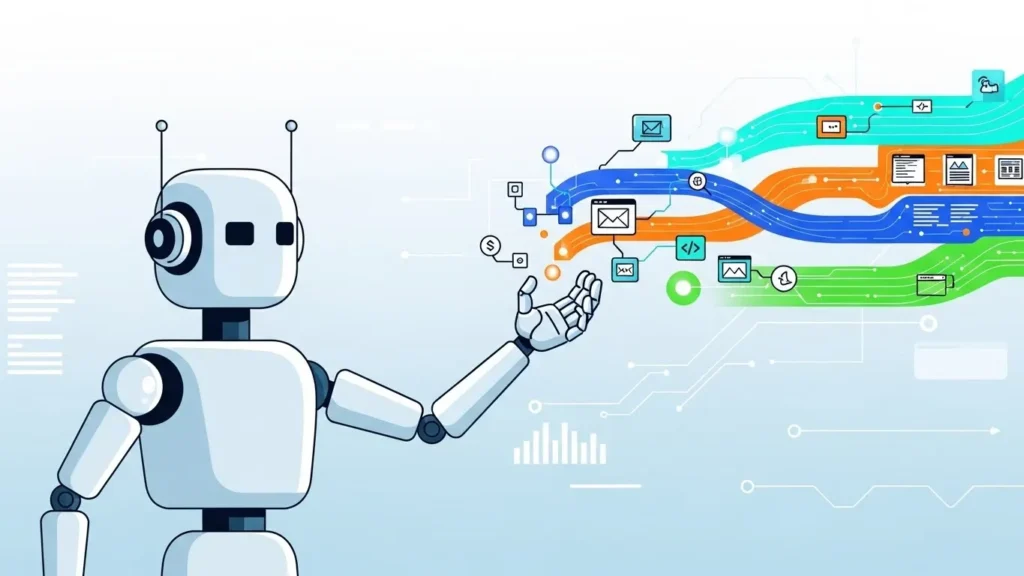
To thrive in this new paradigm, businesses must start thinking beyond web pages and consider knowledge feeds — structured, AI-readable streams of information that describe products, services, and value propositions in a clear and concise manner.
A well-prepared knowledge feed should include:
- Product Information: Clear descriptions, features, specifications
- Value Proposition: Problems solved, benefits offered
- Availability & Pricing: Accurate, up-to-date information
- Use Cases & Examples: Real-world applications of your offerings
Delivering this information via APIs, JSON-LD, or emerging AI communication protocols ensures that AI agents can easily consume and act upon it. The more structured and accessible your data is, the higher the chance your offerings will be recommended, selected, or purchased by AI intermediaries.
How Businesses Can Prepare Today
Preparing for an AI-first web requires a shift in mindset from design-focused to data-focused strategies. Here are practical steps businesses can take:
1. Document Your Offerings Thoroughly
Create comprehensive, structured documentation of products and services. Every feature, benefit, and limitation should be clear, factual, and concise.
2. Adopt Machine-Readable Formats
Consider using APIs, structured schemas, or standardized feeds that AI agents can easily access and interpret. Avoid unstructured text that AI might struggle to understand.
3. Rethink Your Website Strategy
Websites will still matter for humans, but the core business logic and product data should exist in a format optimized for AI. This could be a separate knowledge hub or integrated feeds.
4. Explore Emerging Protocols
Keep an eye on protocols like MCP (Model Communication Protocol) and similar standards that may define how businesses communicate with AI agents in the future.
5. Test AI-First Scenarios
Simulate AI-driven interactions with your offerings. How would an AI agent evaluate your product? Does it have all the information it needs to make a recommendation?
The Human-First vs. AI-First Paradigm
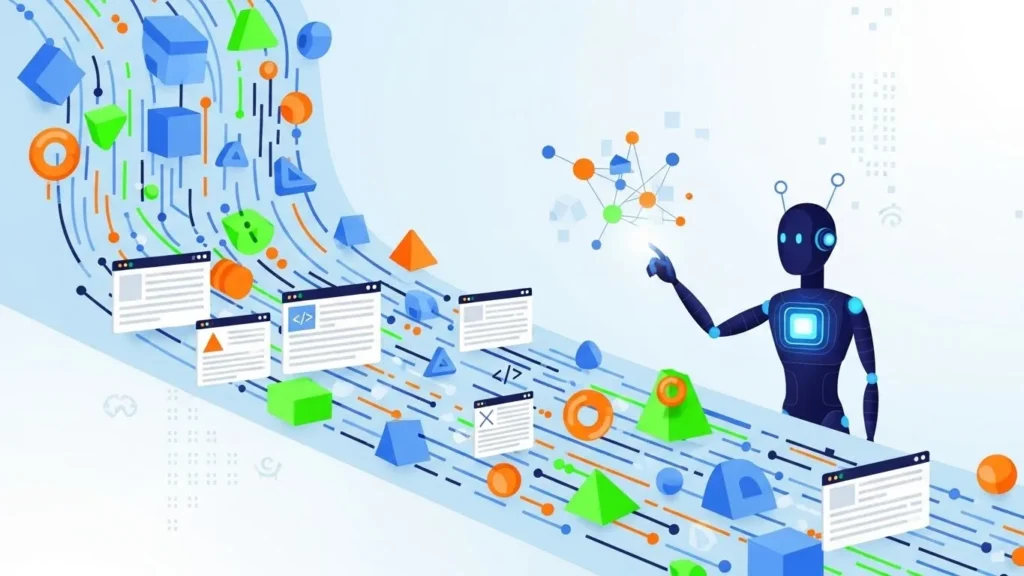
By 2026, businesses may need to operate in dual modes:
- Human-First Mode: Traditional website experience optimized for storytelling, branding, and emotional engagement.
- AI-First Mode: Structured, factual, machine-readable feeds optimized for AI agents to analyze and act on.
Companies that master this balance early will gain a competitive edge, especially in e-commerce, SaaS, and digital services, where AI recommendations may start driving the majority of traffic and conversions.
The Bigger Picture: Marketing, SEO, and E-Commerce in an AI-Driven World
This shift also has major implications for marketing and SEO:
- SEO may evolve into AI Optimization (AIO): Businesses optimize not just for keywords and humans, but for AI understanding and prioritization.
- Content strategy becomes data strategy: Structured content feeds replace purely narrative blogs in importance.
- E-commerce platforms need AI-ready catalogs: Product feeds, inventory, and real-time data must be optimized for AI decision-making.
The key takeaway is simple: If your website looks good but your data isn’t AI-readable, it may be invisible to the decision-makers of 2026 — AI agents.
Conclusion: Preparing for an AI-First Web
The future of the internet is rapidly shifting from human-first to AI-first. By 2026, knowledge feeds will define visibility, engagement, and conversion, while traditional web pages will serve primarily as a secondary, human-facing interface.
Businesses that start preparing today — by documenting their offerings, building structured data feeds, and experimenting with AI-first scenarios — will be positioned to thrive in an AI-dominated web.
How prepared is your organization for an AI-driven web? Is your product data ready for the next generation of internet users — AI agents?
Want to make your website AI-ready? Download our free guide to future-proofing your web strategy for 2026.
About the author

Popular Posts

What is Lovable AI? Discover the Magic Behind the Lovable Builder
January 28, 2026- 7 Min Read
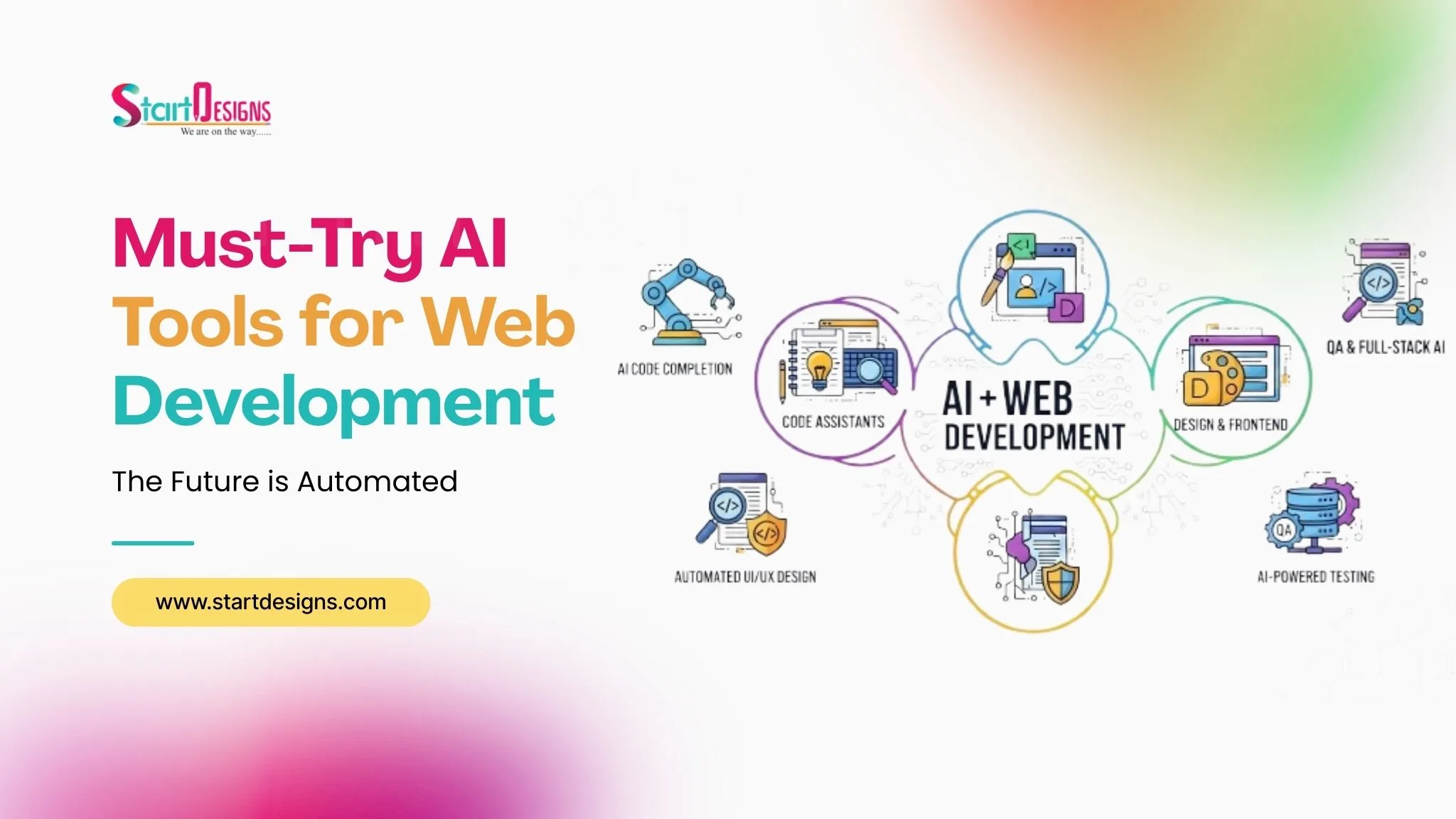
9 Must-Try AI Tools for Web Development in 2026: The Future is Automated
December 10, 2025- 9 Min Read